Cold-Chain Logistics in Polish Food Distribution
How temperature-controlled transport corridors function across the Polish distribution network — from farm collection points to urban consolidation hubs.
Updated: May 2026 Read moreA reference on regional food sourcing, cold-chain logistics, produce grading standards, and short distribution models across Polish food networks.
Topics
Three areas where logistics, regulation, and regional geography intersect in Polish food distribution.
How temperature-controlled transport corridors function across the Polish distribution network — from farm collection points to urban consolidation hubs.
Updated: May 2026 Read more
EU classification rules applied at the regional level — how Class I, II, and processing grades determine which produce reaches retailers and which enters secondary channels.
Updated: May 2026 Read more
Examining two-tier and three-tier distribution models used by mid-size Polish farms to supply regional grocery networks without passing through national wholesalers.
Updated: May 2026 Read moreContext
Polish food distribution relies on a layered structure where regional cooperatives, wholesale markets, and direct farm agreements each play a distinct role.
Cooperatives in Masovian, Łódź, and Greater Poland regions aggregate produce from multiple farms, enabling consistent volume for mid-size buyers.
Refrigerated depots positioned along national road corridors (A1, A2, S7) allow temperature maintenance during inter-city transport of perishables.
Commission Implementing Regulation (EU) 543/2011 defines grading criteria for fruits and vegetables sold within EU markets, including size, weight, and defect tolerances.
Urban consolidation centres in Warsaw, Kraków, Wrocław, and Gdańsk sort incoming produce before delivery to retail shelves, typically within 4–8 hours of arrival.
Polish farms supply peak volumes of cabbage, carrots, apples, and potatoes between August and November, requiring pre-arranged storage capacity from buyers.
Each shipment crossing a regional distribution point must carry a phytosanitary certificate, temperature log, and delivery note matching the originating farm registration number.
From the fields
These crops account for the majority of volume moving through regional distribution networks across Poland.
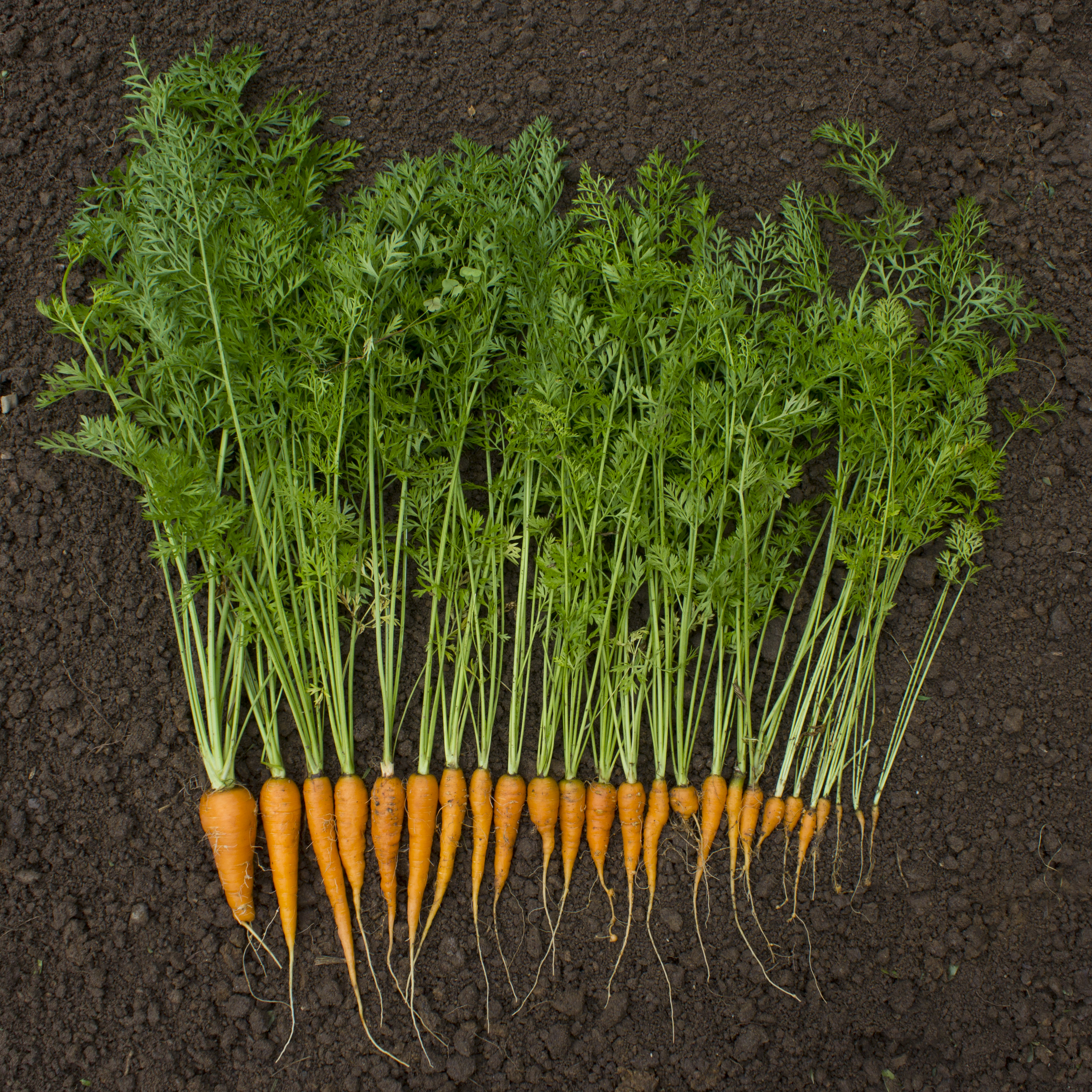
Grown across Łódź and Kuyavian-Pomeranian voivodeships, carrots move through a dedicated washing-and-packaging step before entering the retail supply chain.
Poland ranks among the EU's largest potato producers. Post-harvest storage at 4–8°C with controlled humidity is standard practice for extending shelf availability through winter months.
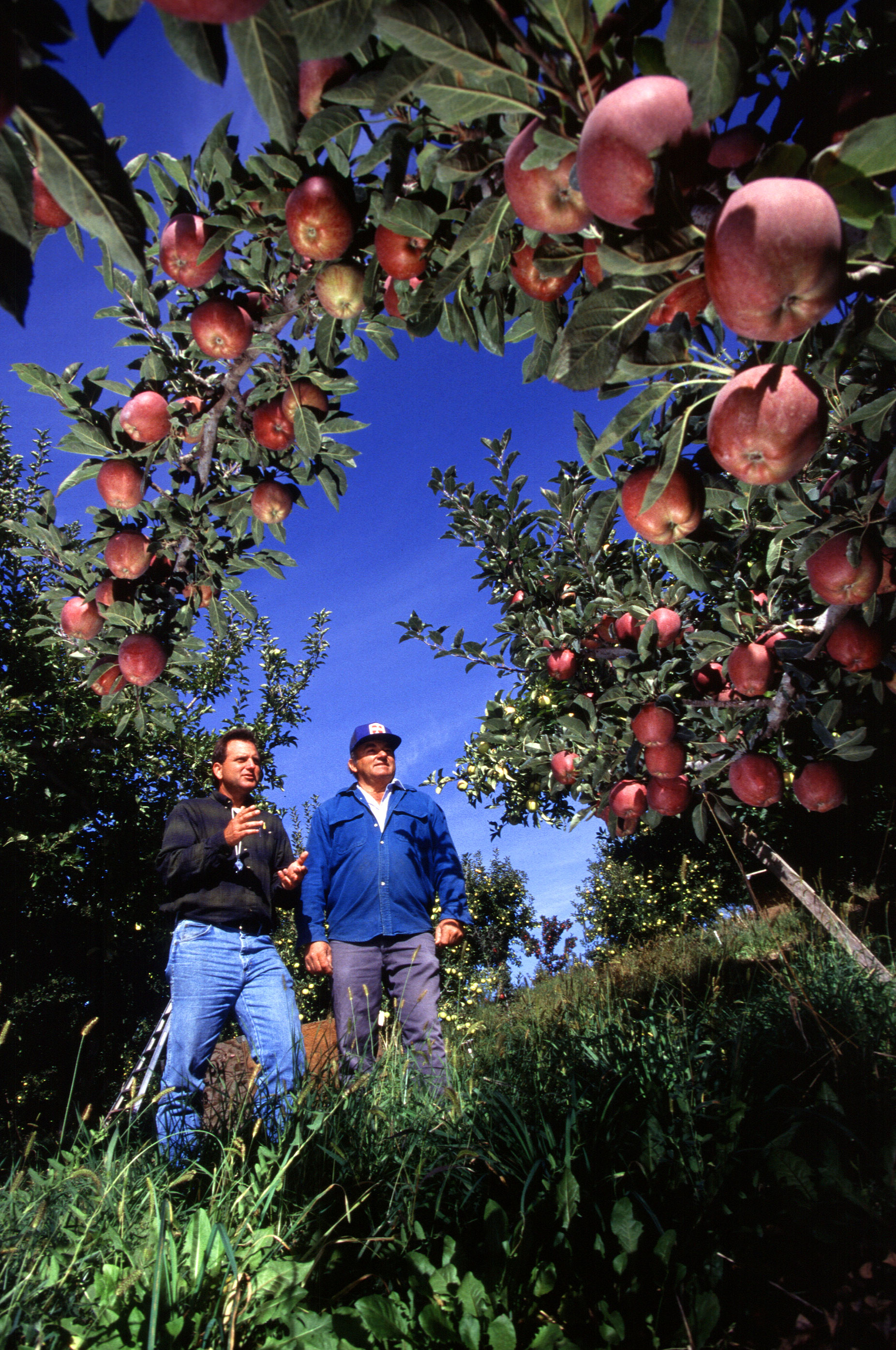
Mazowieckie voivodeship hosts the densest concentration of apple orchards in Central Europe. Controlled-atmosphere (CA) storage allows produce to maintain Class I quality for up to ten months.
Get in touch
For corrections, sourcing enquiries, or general questions about the content covered on this resource.